PayPal
Get Your BusinessReady To Grow!
Sliner
By Admin UserMarch 12, 2026 at 4:23 PM GMT+7

How Sea Bags Reduced Operating Costs by 20% with Shopify’s Unified Commerce Ecosystem

Discover how Sea Bags transformed its retail operations by dismantling data silos through a Unified Commerce strategy on Shopify Plus. This case study explores the integration of physical storefronts and e-commerce platforms to streamline inventory management, automate marketing workflows, and enhance long-term operational agility.

How Sea Bags Reduced Operating Costs by 20% with Shopify’s Unified Commerce Ecosystem

Introduction

Fragmented systems are the hidden tax on retail growth. For Sea Bags, a sustainable brand with nearly 50 locations, the friction between Clover POS and Salesforce Commerce Cloud created "data silos" that inflated costs and obscured inventory. By migrating to Shopify Plus and a Unified Commerce model, the brand synchronized its entire operation, immediately slashing platform costs by 20%, a $70,000 annual saving, while capturing over 1,200 new customer emails weekly.

 

1. Sea Bags’ brand background and omnichannel challenges

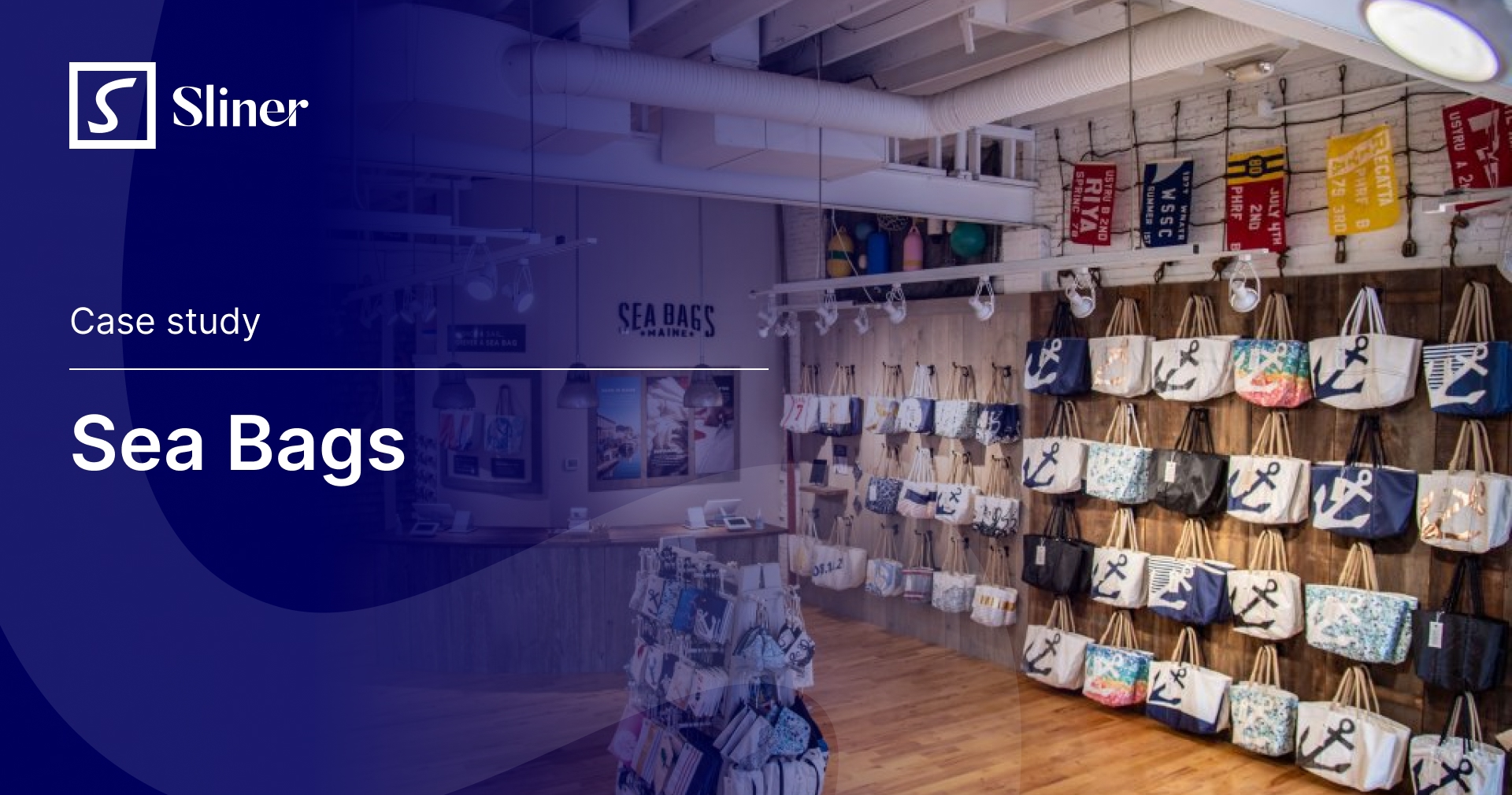
Sea Bags is a US-based handcrafted brand known for its premium bags and accessories made from recycled sailcloth. With a strong commitment to sustainability and craftsmanship, the brand built a loyal customer base over many years. As Sea Bags expanded to dozens of physical retail stores alongside its eCommerce channel, operational complexity began to increase significantly.


Prior to migrating to Shopify, Sea Bags relied on multiple disconnected systems, including Clover POS for retail and Salesforce Commerce Cloud for online sales. This fragmented infrastructure created data silos across customer profiles, inventory, and orders, making it difficult to manage operations efficiently and gain a unified view of performance. Manual processes increased operational overhead and limited the brand’s ability to scale effectively.


2. Unified Commerce on Shopify as a centralized solution

To address these challenges, Sea Bags adopted a Unified Commerce strategy built on Shopify Plus. Instead of maintaining separate platforms, the brand consolidated retail and e-commerce operations into a single backend. Shopify enabled real-time synchronization of products, inventory, orders, and customer data across all sales channels.


By deploying Shopify POS across its stores and integrating tools such as NetSuite Connector and Klaviyo, Sea Bags significantly reduced manual data handling and improved operational efficiency. 


This unified ecosystem provided the flexibility and scalability needed to support long-term growth.


3. Achieving a 20 percent reduction in operating costs

One of the most measurable outcomes of this transition was a reduction of more than 20 percent in annual platform costs, equivalent to approximately 70,000 USD in savings. 


By eliminating redundant systems and streamlining workflows, Sea Bags reduced maintenance expenses and operational labor costs.


Centralized inventory and order management also improved accuracy and reduced the risk of overstocking or stockouts. This level of control is especially critical for a handcrafted brand where each product carries higher production value and complexity.


4. Strengthening customer data and marketing performance

Unified Commerce also enhanced Sea Bags’ ability to capture and utilize customer data. Shopify POS enabled the brand to collect approximately 1,200 customer email addresses per week in-store, with an opt-in rate close to 47 percent. This data was automatically synchronized with marketing tools, enabling more personalized and effective campaigns.


With a unified view of customer behavior across online and offline channels, Sea Bags improved remarketing performance, increased repeat purchases, and strengthened customer relationships. Centralized data also supported more accurate performance measurement and smarter marketing investment decisions.


5. Strategic lessons for omnichannel retailers

Sea Bags’ experience demonstrates that Unified Commerce is not merely a technical upgrade, but a long-term operational strategy. 


Centralizing systems:
      •    reduces costs 
      •    improves efficiency
      •    creates a strong data foundation for sustainable growth. 


For omnichannel retailers, adopting a unified platform like Shopify enhances flexibility and resilience in an increasingly competitive retail environment.


Contact Sliner for Shopify expansion support

If your business is facing high operating costs, fragmented data, or challenges scaling omnichannel operations, contact Sliner for strategic guidance on building a Unified Commerce ecosystem on Shopify. Sliner’s team supports businesses from system assessment and architecture design to implementation and growth optimization.


Source: Shopify Case Studies

 
Suggested Topics:EcommerceThương mại điện tửShopify
S

Sign up for the latest insights

Receive in-depth analysis, market trends, and the latest updates on finance and technology every week.

Join 5,000+ finance professionals. Unsubscribe anytime.